Why High-Viscosity Adhesives Like G40 Are Game-Changers.
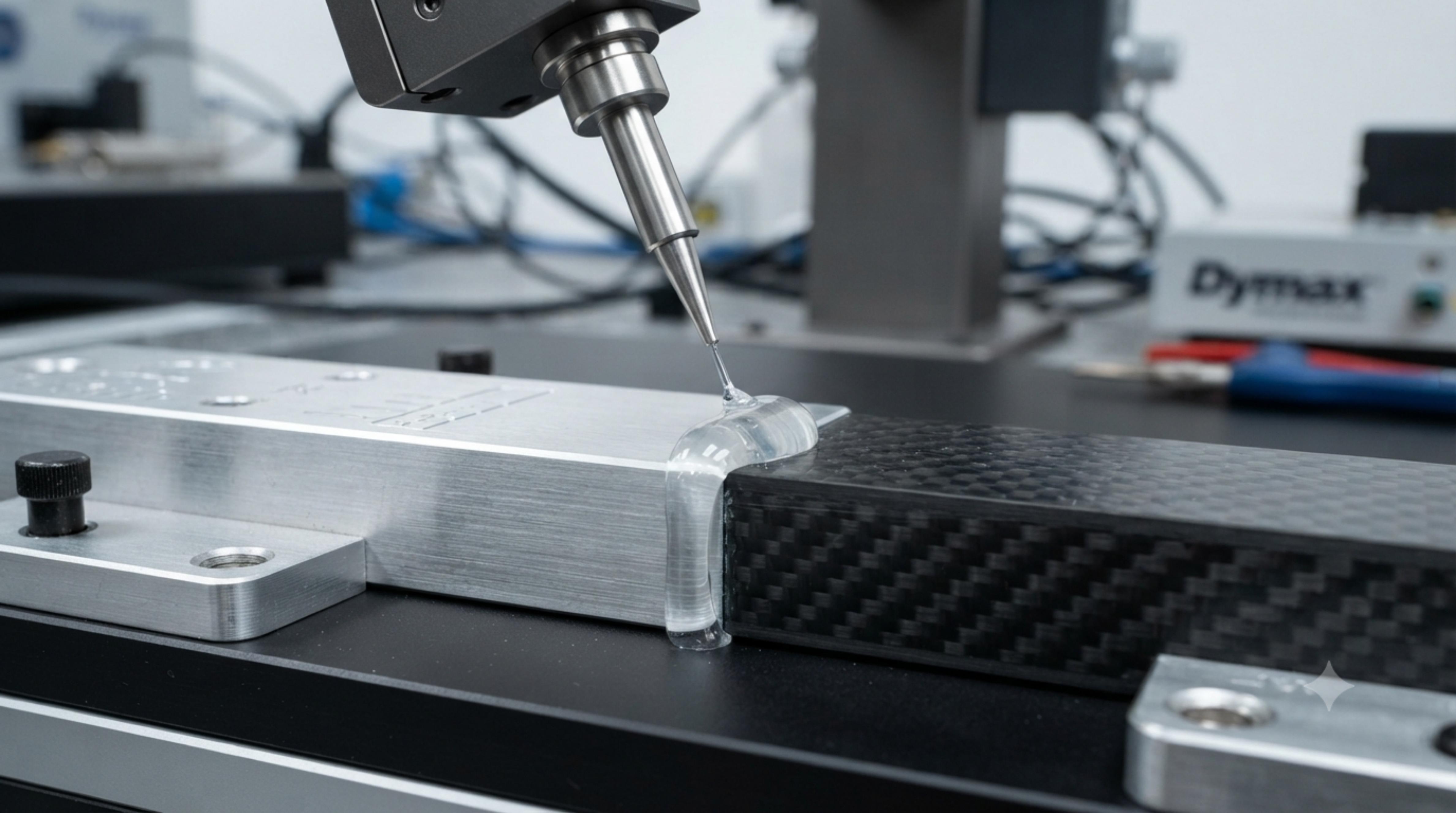
If you have ever watched a thin, runny adhesive soak into porous wood, drip off a vertical joint, or squeeze out of a rubber seam before it could grip, you already know the problem. Weak bonds, wasted glue, rejected batches and slow production lines quietly eat into margins every single week. For many factories across Karnataka, the fix is not a stronger adhesive. It is a smarter one.
That is exactly why high-viscosity adhesives like G40 are changing how shop floors work. As experienced adhesive manufacturers in Bangalore, we see the same pattern again and again: when the right viscosity meets the right surface, rejection rates fall and output rises. In this guide, we explain what viscosity really means, where a high-viscosity formula such as G40 outperforms thinner products, and how to choose the right supplier for your plant.
What Is Viscosity, and Why Does It Decide Bond Quality?
Viscosity is simply a measure of how thick a liquid is and how well it resists flow. Water has low viscosity. Honey has high viscosity. In adhesives, this single property controls how the product behaves from the moment it leaves the nozzle until it fully cures.
Low viscosity vs. high viscosity
Low-viscosity adhesives flow quickly and wick into tight gaps, which is useful for very close-fitting, non-porous parts. High-viscosity adhesives stay where you place them. They fill uneven surfaces, resist dripping and give you control on vertical or overhead joints.
Why it matters on a production line
- Gap filling: Thicker adhesives bridge small surface irregularities that thin ones cannot.
- Less absorption: On porous materials such as wood, leather and fabric, thick formulas stay on the surface instead of disappearing into the substrate.
- Cleaner application: Less run-off means less wastage and a tidier finished product.
- Operator control: Workers can position parts with confidence instead of racing the glue.
How G40 and Other High-Viscosity Adhesives Change the Game
High-viscosity formulations such as G40 are built for real industrial conditions, where surfaces are rarely perfect and speed matters. Here is where they make the biggest difference.
Stronger, more consistent bonds
Because the adhesive stays put and forms a uniform film, the bond line is more consistent from part to part. That consistency is what quality managers look for when they want to bring down rework.
Faster handling and shorter cycle times
When paired with a fast-curing industrial adhesive formulation, thick adhesives allow parts to be handled sooner. Shorter clamping and waiting times translate directly into more units per shift.
Lower consumption, lower cost
A thicker adhesive often needs fewer coats and spreads without soaking in. Over thousands of units, that reduction in consumption adds up to meaningful savings for industrial adhesive wholesale buyers.
Tip: Always request a technical data sheet and run a small pilot batch before switching your entire line. Real-world results depend on your substrate, surface preparation and curing conditions.
Rubber-to-Metal Bonding Adhesive in Bangalore: Where Viscosity Matters Most
Bangalore's engineering, automotive and machinery ecosystem relies heavily on rubber components bonded to metal parts, such as gaskets, seals, vibration mounts and grips. A dependable rubber-to-metal bonding adhesive in Bangalore needs to handle two very different surfaces: flexible, slightly textured rubber and rigid, smooth metal.
Why thick formulas help
Rubber surfaces are rarely perfectly flat, and metal parts can carry microscopic machining marks. A high-viscosity adhesive fills these tiny gaps and holds its shape during assembly, which supports a firmer and more durable bond.
Practical tips for better results
- Clean the metal thoroughly. Remove oil, rust and dust before applying any adhesive.
- Lightly abrade smooth surfaces. A slightly rough profile improves mechanical grip.
- Apply a thin, even film. More adhesive is not always better.
- Bring parts together promptly and hold them steady for the recommended fixture time.
- Test under load and vibration if the part will face movement in service.
Furniture and Wood: Why High-Viscosity Adhesive Wins
Wood is porous, and porous materials drink up thin adhesive. That leaves a starved joint with less glue where you need it. For anyone searching for a furniture manufacturing adhesive in Karnataka, thickness is a major selling point.
Benefits for furniture makers
- Better grip on edges, laminates and veneers
- Reduced squeeze-out and cleaner finishing
- Strong joints on vertical surfaces without sagging
- Improved performance on uneven or end-grain surfaces
If you are comparing wood adhesive manufacturers in South India, ask about open time, set time and compatibility with your specific boards and laminates. These details matter more than a headline strength claim.
Footwear Adhesive in Karnataka: Speed, Flexibility and Finish
Karnataka has a strong footwear and leather-goods industry, and shoe production is unforgiving. Soles, uppers, linings and insoles all use different materials, and the adhesive must stay flexible after curing while holding firm through thousands of steps.
What footwear units should look for
When evaluating footwear adhesive manufacturers in Karnataka, consider these points:
- Flexibility after cure: The bond must bend with the shoe, not crack.
- Quick grab: Faster initial tack keeps conveyor lines moving.
- Clean edges: High-viscosity products reduce messy spill-over on visible seams.
- Material range: Check performance on rubber, PU, leather, EVA and fabric.
A thicker adhesive helps on textured leather and fabric linings, where thin products can seep through and leave stains. For many units, the right footwear adhesive in Karnataka is one that balances viscosity, speed and flexibility rather than maximising any one of them.
Cyanoacrylate Adhesives: The Fast-Bonding Backbone of Modern Industry
Cyanoacrylate, often called instant or super glue, is prized for bonding in seconds. Standard grades are thin, but thicker and gel-style versions solve the classic weaknesses of instant adhesives by giving you more control and better gap filling.
When shortlisting cyanoacrylate adhesive manufacturers in India, and especially cyanoacrylate adhesive manufacturers in South India, look beyond the price per bottle. A reliable partner should offer:
- Consistent batch quality and clear technical documentation
- A range of viscosities for different substrates and gap sizes
- Bulk packaging options and dependable delivery across Karnataka and neighbouring states
- Responsive technical support when your process changes
How to Choose the Right Adhesive Manufacturer in Karnataka
Picking among adhesive manufacturers in Karnataka is a strategic decision, not just a purchasing one. Use this checklist before you commit.
Ask these questions
- Do they understand your application? A supplier who asks about your substrates and process is a good sign.
- Can they provide samples and data sheets? Trials reduce risk before you scale.
- Is quality consistent from batch to batch? Consistency matters more than a single great sample.
- Do they offer wholesale and bulk supply? This keeps costs predictable as you grow.
- Is support local and fast? Proximity helps when you need troubleshooting or urgent restocking.
Why local matters
Working with a nearby manufacturer shortens lead times, simplifies logistics and makes technical visits possible. For Bangalore-based and wider Karnataka industries, that local advantage can keep production running when deadlines are tight.
Frequently Asked Questions
What does high-viscosity adhesive mean?
A high-viscosity adhesive is a thick, slow-flowing formula that stays where it is applied instead of running or soaking in. This makes it well suited to porous, uneven or vertical surfaces. It also reduces waste and gives operators better control.
Which adhesive is best for rubber-to-metal bonding?
The best choice depends on the type of rubber, the metal and the working conditions, but a thicker formulation usually fills surface gaps better. Always clean the metal, lightly abrade smooth surfaces and test the bond under real load before full production.
Where can I find adhesive manufacturers in Bangalore for bulk orders?
Look for local manufacturers that offer wholesale supply, technical data sheets and sample trials. Teraxo supplies industrial adhesives to businesses across Bangalore and Karnataka, with support for bulk requirements.
Is a fast-curing adhesive weaker than a slow-curing one?
Not necessarily. Fast-curing adhesives, including many cyanoacrylate grades, can deliver strong bonds when matched to the right materials and applied correctly. The key is choosing the correct formulation and following the manufacturer's guidance.
Which industries use footwear and furniture adhesives in Karnataka?
Footwear units, leather-goods makers, furniture workshops, carpentry shops and packaging businesses are among the most common users. Each application calls for a different balance of viscosity, speed and flexibility.
Conclusion: Build Stronger Products with the Right Adhesive Partner
High-viscosity adhesives like G40 are not a minor upgrade. They solve everyday production headaches such as drips, weak joints, absorbed glue and slow cycle times, and they do it across rubber, metal, wood, leather and more. The real advantage comes when a quality product is paired with a manufacturer who understands your process.
Ready to see the difference on your own line? Contact Teraxo today to request samples, a technical data sheet or a bulk quote for G40 and our wider adhesive range. Visit teraxo.co.in and let our team help you find the right bond for your business.